Fire safety information for students
There are practical steps you can take to improve your safety and security as a student. Especially if you’re moving into new accommodation, make sure you’re familiar with the basics of fire and gas safety, as well as home and personal security.
Beware of late-night chips. One in four injuries from house fires started by deep-frying occurs between 10.00 pm and 4.00 am. Every year, around 350 18-24 year olds are injured in accidental house fires started by cigarettes, smoking materials and candles. It’s also common for fires to start in the kitchen. Over half of accidental house fires are caused by cooking.
By taking a few sensible precautions, you can help protect yourself from injury – or worse:
ensure a smoke alarm is installed on every level of your home - and test it weekly
never smoke in bed
when you finish a cigarette, put it out completely – and make sure all cigarette ends are cold before emptying ashtrays into bins
check your furniture has the fire-resistant permanent label
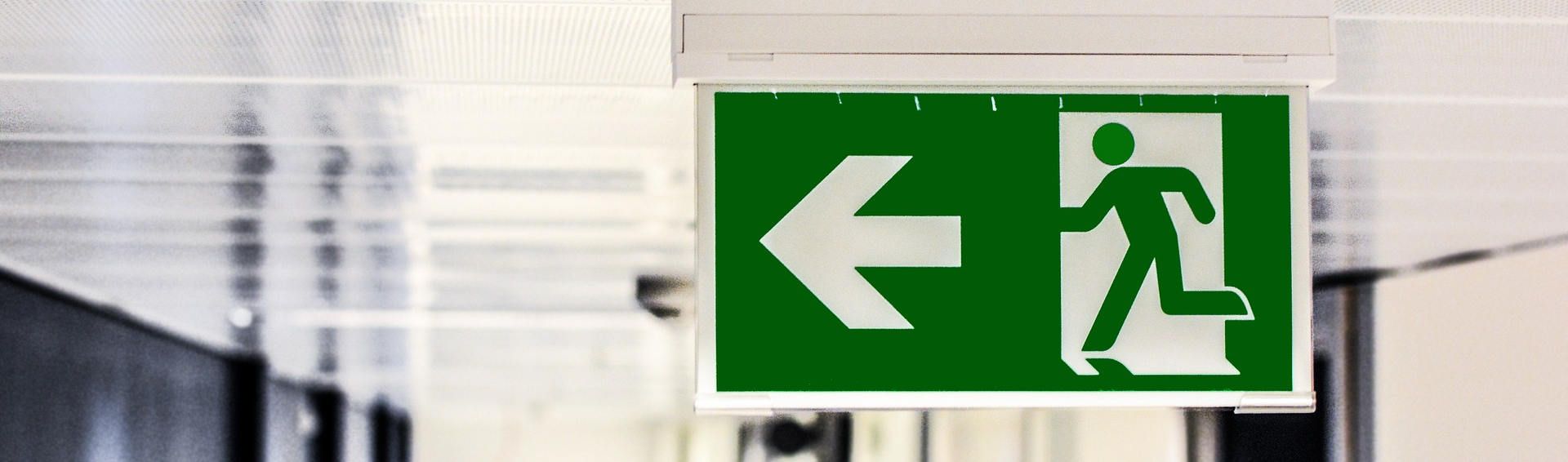
be aware of where fire alarms are located and fire equipment is kept
plan and practice an escape route with your housemates
keep a torch handy to help guide you through smoke
Fire safety in the home
If you live in halls of residence, all universities and colleges have a person responsible for fire safety. If you have any concerns or questions about fire safety in halls – for example, you’ve spotted a fire risk – speak to them. If you are a disabled student and would need assistance if there was a fire, let the university or college health and safety officer know when you arrive.
You should also:
check what the fire safety rules are – such as any ban on candles in rooms
pay attention to fire drills and never ignore alarms
Privately rented accommodation
If you live in a private house or flat, make sure it’s fitted with smoke alarms on each level of the property - and that they are tested regularly. Check that your escape route is clear. For example, make sure there are no bikes blocking your exit in the hallway, and be aware of any windows that are barred. If you’re a student in England, you can request a home fire safety visit from your local Fire and Rescue Service. They may provide and fit a smoke alarm for free.
Health and safety in rented accommodation. Help promote fire safety at your university or college. To find out how you can help promote the fire safety message on campus, speak to your local Fire and Rescue Service.
Each year, the 'Fire Kills' campaign also recruits a limited number of students at selected universities as 'student brand ambassadors'. They raise awareness of fire safety among fellow students by:
getting publicity through student magazines
distributing leaflets and posters
working with the local fire and rescue service to organise a special event, such as a chip pan demonstration
Gas and carbon monoxide safety
If you’re renting privately, your landlord must ensure that all gas appliances are checked once a year by a ‘Gas Safe Register’ installer. Your landlord must also show you the safety certificates for all the gas appliances in your property. Faulty gas appliances are one of the main causes of carbon monoxide poisoning. Remember: you can’t see, smell or hear carbon monoxide.
 Fire Risk Assessments
 Fire Safety Courses
 First Aid Courses